

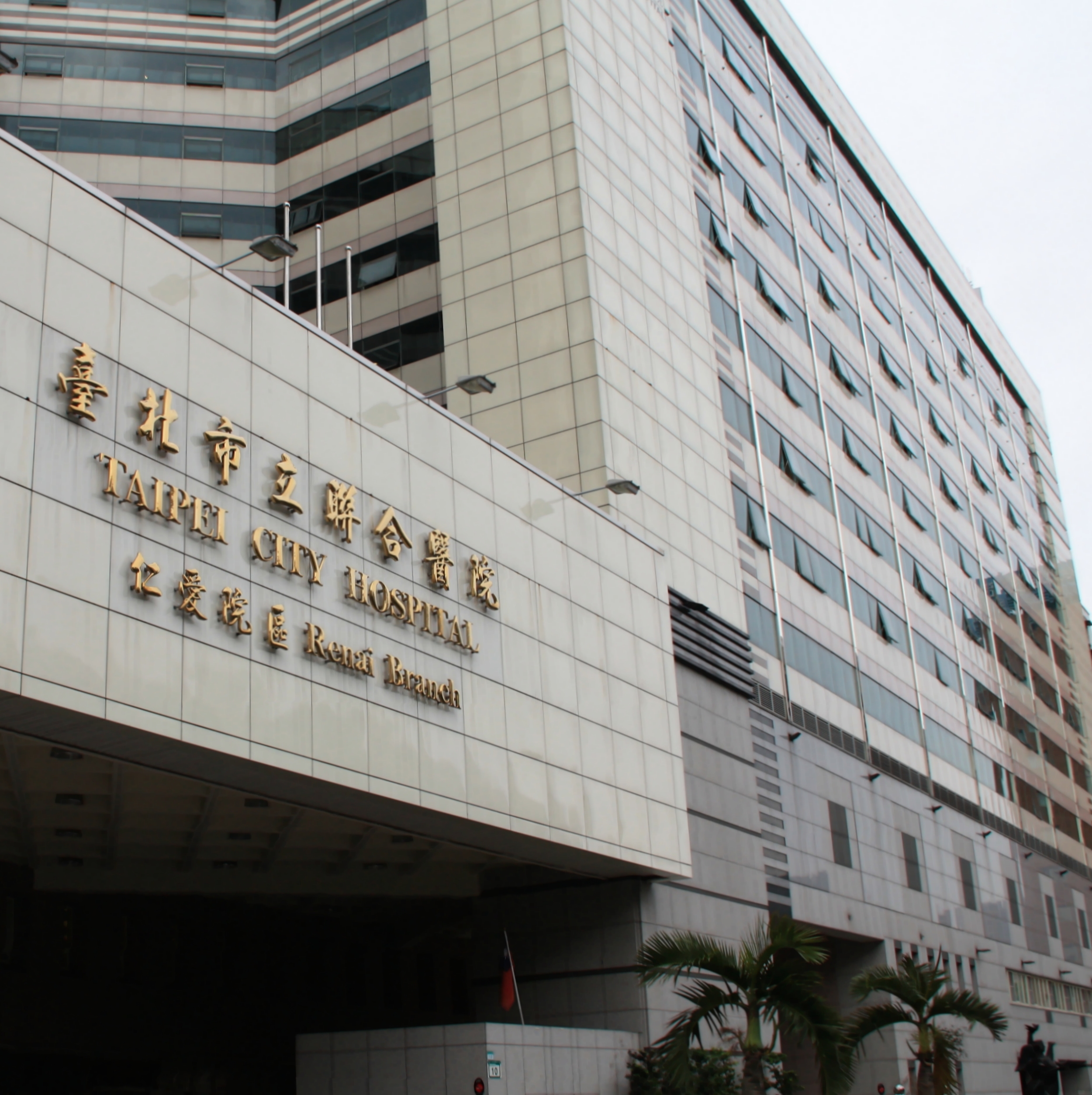
Only 22 nations and the Vatican City recognize the island of Taiwan off the southeast coast of China as a fully independent country, but the island smaller than the state of Ohio boasts arguably the most affordable and efficient health care system in the entire world.
When Taiwan officially lifted martial law in 1987, officials focused on developing a strong, affordable health care system to serve nearly 22 million citizens. Representatives looked at health care systems in several different countries and ultimately decided to install a health care system similar to Medicare in the United States, but open to the entire population.
National Health Insurance, a compulsory insurance program, brought affordable health care to all Taiwanese and required only a small percentage of annual household income. The government recently reformed the payment system for National Health Insurance premiums to cover growing costs.
“In addition to the basic premium, the insured will be charged a supplementary premium of two percent for other incomes received, including large bonuses, income from professional practice, part-time wages, stock dividends, saving interest and rental income. Before the Second Generation of NHI, premiums were solely payroll based,” said Mei Wang, Associate Researcher with the Planning Division of the National Health Insurance Bureau.
Wang said National Health Insurance cover a wide variety of areas including inpatient and outpatient care, prescriptions, regular dental services, traditional Chinese medicine, day care for the mentally ill and home nursing care, in addition to more expensive procedures on a case-by-case basis.
National Health Insurance gives citizens easy and quick access to doctors and prescriptions by using a fixed global budget, meaning the National Health Insurance Bureau pays a fixed amount to hospitals but allows patients to visit hospitals whenever. However, Dr. Jen-Hsiang Shen of the Ministry of Health and Welfare said doctors receive only about 30 percent of the payment for a procedure. The hospital or clinic invests the remaining 70 percent in new buildings and equipment, often buying from companies partly or fully owned by the hospital owners.
With the extremely accessible health care, patients flocked to hospitals and clinics. Currently, doctors work as many as 80 to 100 hours per week.
“The National Health Insurance in Taiwan is the cheapest and the most effective
health insurance in the world, and it has worked for 18 years in our country,” said Dr. Ping-Hung Lin, Vice General Secretary of the Taiwan Medical Labor Union. “However, it has caused the increasing demand of health of our people, which means increasing work of our medical staff.”
Dr. Lin gave several examples of doctors and nurses in Taiwan facing extreme stress. Only two years ago, the heavy workload caused the sudden death of an intern working over 100 hours per week. Nearly a dozen doctors and nurses died from overworking last year. Three committed suicide. Dr. Shen said Taiwanese culture contributes to doctors working extra hours, often for no pay.
“There is a culture in Taiwan that if you haven’t finished your work when your hour is finished, you should keep finishing your job until it’s finished,” Dr. Shen said.
Nurses suffer too. Typically, one nurse monitors 20 or more sickbeds, and one doctor cares for over 60 sickbeds throughout one shift. Dr. Lin and the Taiwan Medical Labor Union work directly with the government to draft legislation limiting work hours, because the high amount of hours ultimately sacrifices the quality of care.
“The medical system in Taiwan is breaking down,” Dr. Lin said. “I can tell you the doctor life in Taiwan is miserable. I hope the [Affordable Care Act] in the U.S. won’t make the same mistakes as Taiwan. Cost down is wrong. The quality must be taken into consideration first.”
To make matters worse, the number of doctors continues to decline. Many choose to move to different countries like the United States, China, Singapore or Australia to work fewer hours for higher pay. Dr. Yuan-Hung Wu, an oncology resident at Taipei Veteran’s Hospital, recently considered such a move.
“I am ready to apply for to practice in the United States, I’m ready to do that,” Wu said. “Many of my younger medical students, they have already gone abroad to practice right after they graduated. They are about 20 graduates in my college they are now working abroad.”
In addition to heavy hours, doctors face heavy penalties and even jail time if found guilty of medical malpractice. In the United States, doctors face fines and the possible suspension of a medical license in civil court except in extreme cases like homicidal negligence. Dr. Shen said a Taiwanese courts send nearly a dozen doctors to jail every year and imposes heavy fines. Dr. Lin said the risk of jail time and heavy fines discourages medical students from practicing in crucial fields like surgery, emergency medicine and gynecology.
“The medical students, they do not want to go to these high-risk specialties. They go to dermatology or the plastic surgery or whatever, not high-risk surgery,” Lin said.
However, patients enjoy many benefits with the program. Visiting a clinic for check up or regular visit costs about $3 to $5 USD. A visit to the dentist costs about the same. Staying in the hospital for an extended period of time costs only about $70 to $120 USD per night. Fu-Long Kai, a recent college graduate currently serving a compulsory stint with the Republic of China Armed Forces, says National Health Insurance helps keep costs low for the average citizen.
“Everybody gives a little part of their salary and everyone can go to hospital and you don’t have to pay that much. You can see the doctor and get their proper surgery or the proper solution for your disease or something,” Kai said.
Dr. Wu believed the most obvious benefit of National Health Insurance to be doctors’ ability to provide care to anyone without worrying about money.
“We don’t have to consider their economic status, whether they are affordable to the treatment. We can do the treatment to the patient in need right away,” Dr. Wu said.
While not perfect, National Health Insurance allows patients easy and cheap access to affordable and quality care, and doctors still earn, on average, higher salaries compared to average Taiwanese incomes. Dr. Lin and Dr. Wu both said the system needs some reformation to service in the future. Dr. Shen suggested subtle changes to help doctors in Taiwan perform at a high level without sacrificing efficiency.
“I think the government need to offer reasonable work hours, reasonable salary and reasonable staffing to keep doctors wanted,” Dr. Shen said.
 Jacob Betzner